

· AFX Research
How an Easement Ends: Release, Merger, Expiration, Abandonment
The four ways a recorded easement actually terminates, why non-use is not one of them, and why an unrecorded release keeps showing up on every search of the parcel.
Table of Contents
Easements are durable by design. They are meant to survive the sale of both parcels, the death of everyone who signed the original grant, and decades of nobody thinking about them. That durability is what frustrates an owner who finds a 1962 pipeline easement on a report and wants it gone. Ending one is possible, and there are only a few ways it happens. Our guide to what a right of way grants covers the creating side; this is the other end of the life cycle.
The four routes
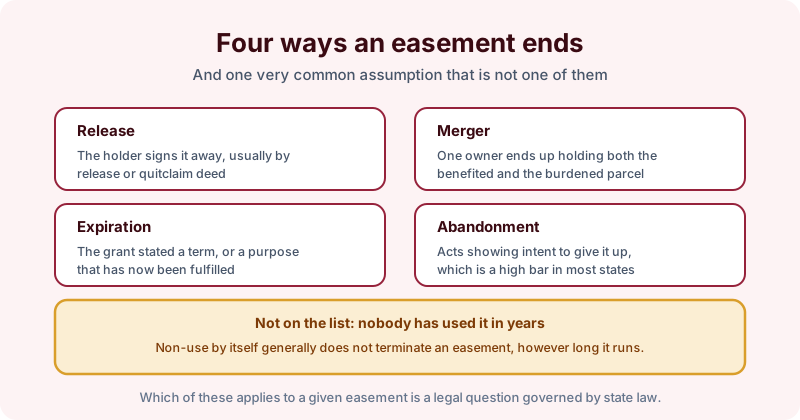
Release. The holder gives the right up, normally by a release or a quitclaim deed. This is the cleanest route and the one most within anyone’s control, because it is a negotiation rather than a legal argument. A utility that has abandoned a line will sometimes release a strip for the asking; a neighbor with a useful driveway easement generally will not.
Merger. If one owner ends up holding both the benefited and the burdened parcel, the easement is extinguished, because a parcel cannot carry an easement over itself. It happens automatically and quietly, which turns out to matter later.
Expiration. Some grants state a term, or a purpose that can be completed. A construction access easement for a specific project, or a grant written to last twenty years, ends on its own terms.
Abandonment. The holder’s acts show an intent to give the right up: pulling the poles, tearing out the culvert, building over their own access. It is a high bar in most states, and a court decides it.
Note what is absent from that list. Nobody using it is not one of the four. Non-use by itself generally terminates nothing, whatever the interval. That is the single most common misreading in this whole area.
A release only counts once it is recorded
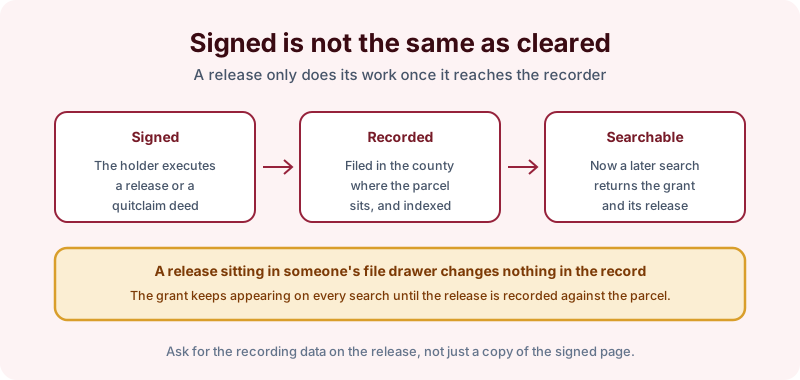
This is where deals go wrong in a small, avoidable way. A signed release sitting in a file drawer does nothing to the public record. The original grant keeps returning on every search of that parcel, indefinitely, because the index only knows what has been filed against it.
So when someone tells you an easement was released years ago, the useful question is not whether they have a copy. It is whether they have the recording data: the county, the date, and the book and page or instrument number. If it was recorded, a search picks it up alongside the grant, and both appear in the report with the documents attached. If it was not, the record still shows a live easement and a future buyer’s title work will find exactly that.
Partial releases run the same way, and they are worth reading closely. Which portion of a strip was given up, and which was kept, is a question the recorded instrument answers and a summary usually does not.
Merger has a long tail
Merger is the quiet one, because nothing gets filed when it happens and the consequences arrive years later.
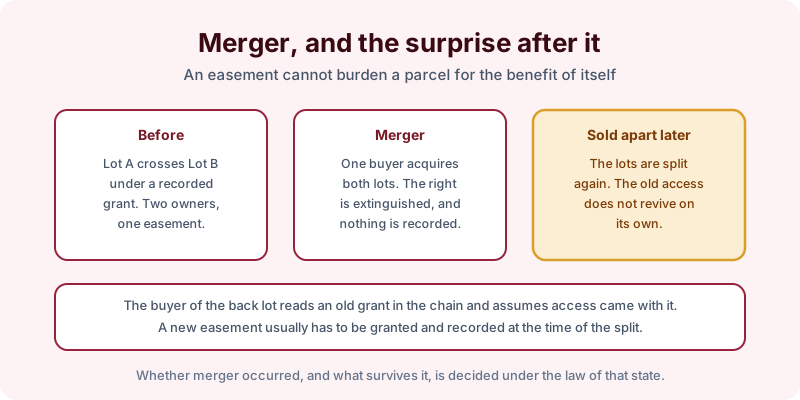
One owner buys both lots and the access easement between them is extinguished. Twenty years on, the lots sell to different buyers, and the buyer of the back lot finds the old grant in the chain and assumes access came with the deed. Generally it did not. A new easement has to be granted and recorded at the split, and if nobody handled it, that is one way a parcel becomes landlocked despite a chain that appears to show access.
Whether merger actually occurred, and what if anything survived it, is a legal question under the law of that state. The search shows the conveyances and their dates, which is the raw material the analysis needs.
What a search can settle, and what it cannot
A search reads the record for the parcel and term you choose and reports what was found, with copies: the grant, any release or partial release, a plat vacation, and the dates of the conveyances that bear on merger. It cannot decide whether an easement was abandoned as a matter of law, and it cannot rule out rights that were never recorded. Practice varies by county, so a term that reaches far enough back matters here too. The search terms differ mainly in depth, and our process page covers the 2 to 3 business day turnaround.
The takeaway
Four routes end an easement, non-use is not one of them, and a release that was never recorded has not cleared anything. Get the recording data, work from the instruments, and treat merger as a question about the conveyance history rather than about the current fence line. Start the order online, or send us the address and the county and we will tell you which search term fits and what it would and would not cover before anything is ordered.