

· AFX Research
Shared Driveway Easements: Access, Upkeep, and the Record
The three ways a shared drive can be set up, why maintenance causes more disputes than access, and why the search has to cover both lots and reach back far enough.
Table of Contents
Two houses, one strip of asphalt, and thirty years of nobody thinking about it. Shared driveways work fine right up until a sale, a repaving bill, or a new neighbor who parks differently, and then the question becomes what anyone actually has a right to do. The answer is usually in the record, and often in the record of the lot next door rather than the one being bought. Our guide to finding easements on a property covers the general search; this is the arrangement people ask about most.
Three setups that look identical
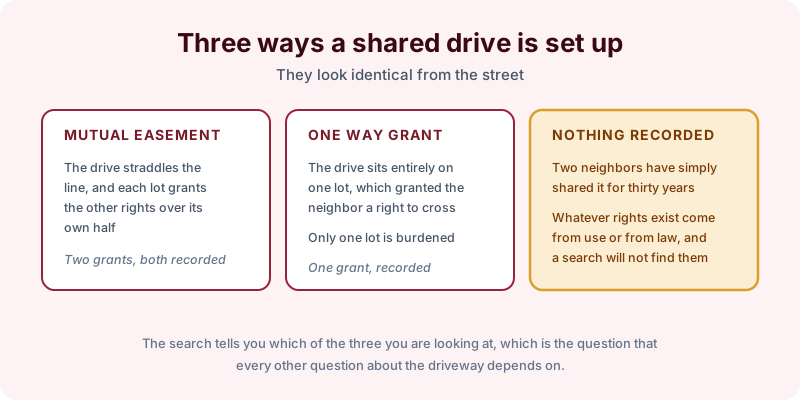
A mutual easement. The drive straddles the boundary and each lot grants the other rights over its own half. Two grants, both recorded, and both lots are burdened and benefited at once.
A one-way grant. The drive sits entirely on one lot, which granted the neighbor a right to cross. Only one parcel carries the burden, and the owner of that parcel owns the pavement.
Nothing recorded. Two neighbors have shared it since the houses were built and nobody ever wrote anything down. Whatever rights exist arise from use or from law, which means a prescriptive claim or an implied easement, and a records search will not find them because there is nothing filed to find.
From the street these are indistinguishable. The search is what tells you which one you are looking at, and nearly every other question depends on that answer.
Maintenance causes more fights than access
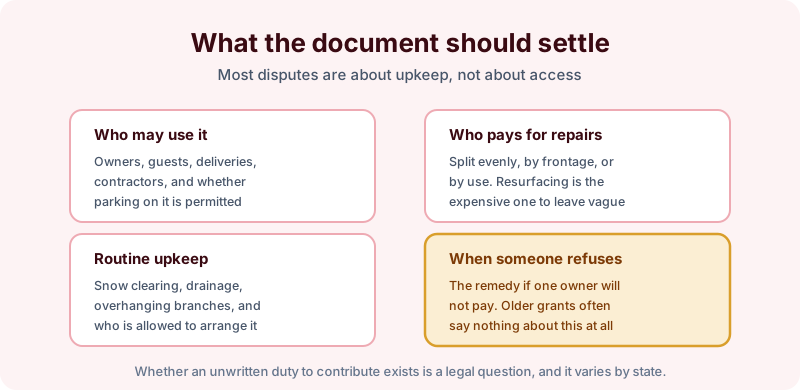
Access is usually settled. Upkeep is where neighbors end up in front of a magistrate. A well-drafted agreement addresses who may use the drive and for what, including guests, deliveries, contractors, and whether anyone may park on it. It says how repair and resurfacing costs are divided, evenly or by frontage or by use. It covers snow clearing, drainage, and overhanging branches, and who may arrange that work.
And it says what happens when one owner simply will not pay. Older grants frequently say nothing at all on that point, having been drafted to establish access and no more. Whether an unwritten duty to contribute exists, and what remedy is available, is a legal question governed by state law rather than something the instrument answers or an abstractor can resolve.
This is the argument for working from a copy of the recorded document rather than a summary of it. The terms are the whole substance here, and a one-line index entry saying an easement exists tells you almost nothing about the thing people actually argue over.
Search both lots, and reach back far enough
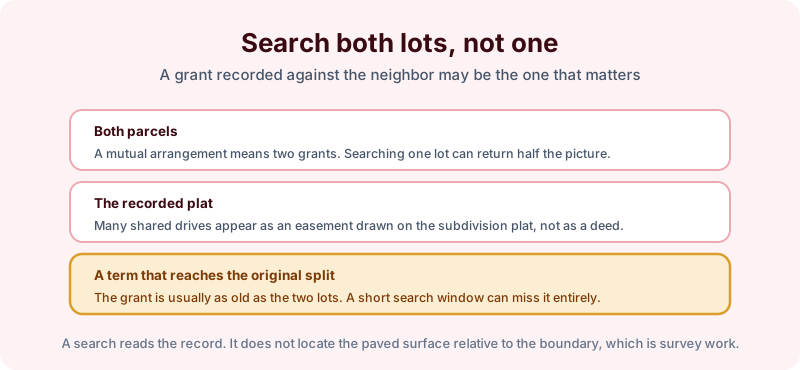
Two habits matter here. The first is searching both parcels. A mutual arrangement means two grants, and running only the lot being purchased can return half the picture, or none of it if the operative grant was recorded against the neighbor.
The second is choosing a search term that reaches the original subdivision. Shared drives usually date to whenever the two lots were split from one parent tract, which can be seventy years ago, and many appear as an easement drawn on the recorded plat rather than as a separate deed. A search window covering only the last twenty years can miss the grant entirely and come back clean on a driveway that is thoroughly encumbered. The available search terms differ mainly in that depth.
One boundary worth keeping clear: a search reads the record. It does not go out and measure where the pavement sits relative to the boundary line. If the question is whether the asphalt has crept three feet onto the neighbor, that is a surveyor’s job, and the two pieces of work complement each other rather than substitute. Our process page covers what the search involves and the 2 to 3 business day turnaround.
The takeaway
Find out which of the three arrangements you have, get a copy of the instrument and read the maintenance terms rather than the index entry, search both lots, and pick a term old enough to reach the original split. Start the order online, or send us both addresses and the county and we will tell you which search term fits and what it would and would not cover before anything is ordered.