

· AFX Research
What a View or Scenic Easement Does to a Neighboring Parcel
How a recorded view easement limits building and planting on the burdened land, the three places these restrictions come from, and what a records search can and cannot establish.
Table of Contents
Most easements are about getting somewhere. A view easement is about not putting anything in the way, which makes it easy to overlook and expensive to discover late. A buyer plans a second storey, an owner lets a row of firs grow, and a neighbor produces a recorded document from 1994 saying neither is allowed. The restriction was in the county record the whole time, sitting in the same indexes that hold the types of easements people more commonly ask about.
One parcel gives something up
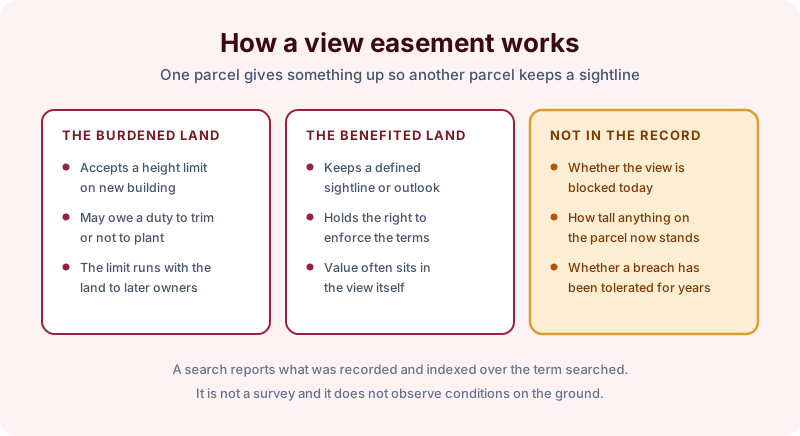
The structure is the ordinary one. A burdened parcel accepts limits, usually on how tall anything on it may be, and a benefited parcel keeps the outlook those limits protect. Written properly, the restriction runs with the land, so it binds whoever buys the burdened parcel next even though they negotiated nothing.
What the burdened owner gives up is often more than a height cap. Many of these documents also assign a duty to trim vegetation, and some give the benefited owner the right to come onto the land and do the trimming if the owner does not. That is a live obligation, not a passive one.
The people who go looking for these are usually about to spend money. A buyer wants to add a floor, an owner is planning a garage, a builder has a permit in hand and a design that assumes an unrestricted envelope. In every one of those situations the cheapest moment to find a recorded height limit is before the drawings are finished, and the county record is where that answer already exists.
Three origins, three books
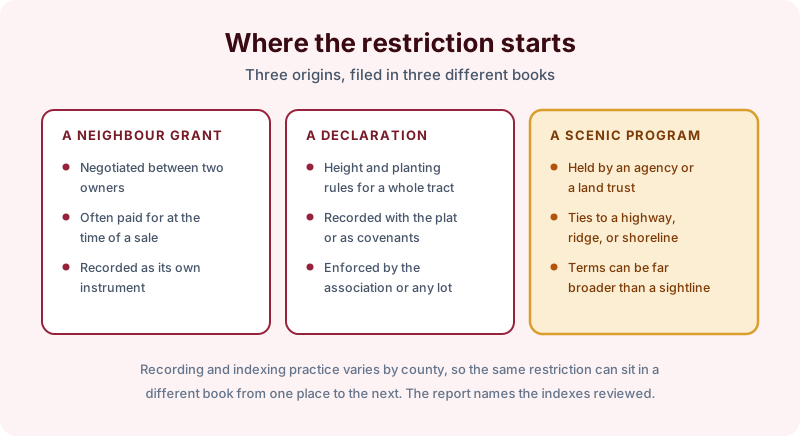
A neighbor grant. Two owners negotiate, money usually changes hands, and the result is recorded as its own instrument. It is indexed like a deed and shows up in an ordinary name and parcel search.
A subdivision declaration. A developer writes height and planting rules covering every lot in a tract, recorded alongside the plat or as covenants. These are frequently filed in a plat book rather than the deed index, and a search that never opens the plat book will not report them.
A scenic or conservation program. Highway departments, park agencies, and land trusts hold scenic easements along ridgelines, shorelines, and designated corridors. The terms here are commonly far broader than a single sightline, and they can restrict use, grading, and structures across a whole parcel. The overlap with a conservation easement is real, and reading the actual grant is the only way to tell what you have.
Read the wording, not the label
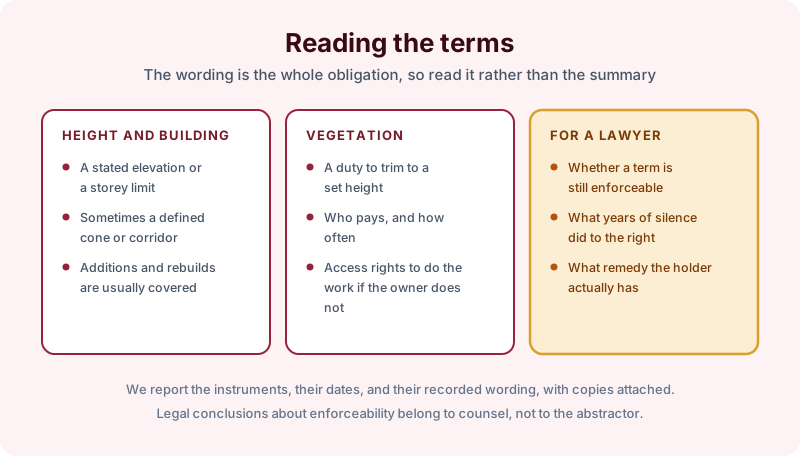
Two documents both called view easements can behave completely differently. One may cap a building at a stated elevation above sea level, another may describe a cone or corridor from a specific point, and a third may simply forbid anything above one storey. The vegetation clauses vary just as much, particularly on who pays for the trimming.
Our report gives you the instruments, the dates, and the recorded wording with copies attached, so nobody is arguing from a paraphrase. What we do not do is tell you whether a term is still enforceable, what years of tolerated overgrowth did to the right, or what remedy the holder has. Those are legal conclusions for counsel. Recording and indexing practice also varies by county, so where a restriction sits is a local fact rather than a general one.
The takeaway
A view easement is a limit on what the burdened parcel may do, and it is enforceable by someone who does not live there. Search far enough back to reach the instrument that created it, open the plat book, and read the terms rather than the label. Note too that a search reports what was recorded, and it is not a survey, so it cannot tell you what stands on the ground today. Searches run 2 to 3 business days, and the search packages set the term. Start the order online, or send us the address and the county and we will tell you which search term fits and what it would and would not cover before anything is ordered.