

· AFX Research
Billboard and Sign Easements: What Is Recorded, and for How Long
Outdoor advertising rights can be an easement, a long lease, or nothing recorded at all. What to look for, and the clause that limits what you can build.
Table of Contents
A billboard on a corner of the property looks like a small thing, and sometimes it is a modest check every month. Sometimes it is a perpetual recorded right that also prevents the owner from building anything that blocks the view of the sign. The difference is in the instrument, and the instrument is usually decades old. Like a telecom or fiber easement, this is a commercial right on a small footprint with terms that outlast everyone who negotiated them.
Easement, lease, or nothing
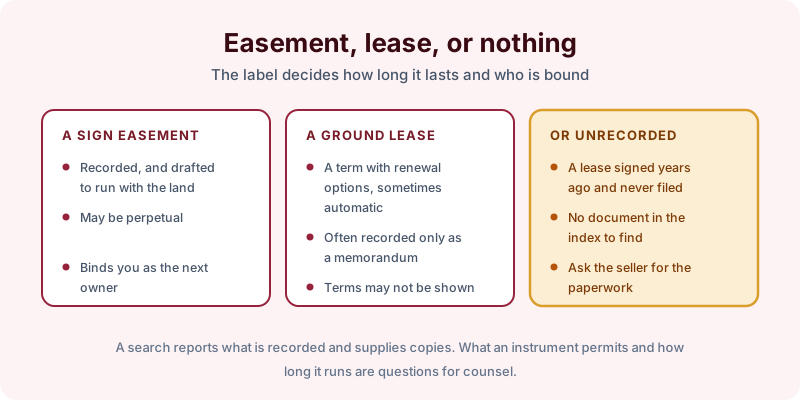
A sign easement is recorded and drafted to run with the land, sometimes in perpetuity. It binds the next owner, which means it binds you, and it typically survives a sale, a foreclosure, and a rezoning.
A ground lease is the more common structure. A term of years with renewal options, occasionally renewing automatically unless notice is given in a narrow window, and frequently recorded only as a short memorandum that discloses the existence of the lease without its terms. That gap between the memorandum and the lease itself is the practical problem for a buyer.
Or nothing is recorded. A lease signed years ago and never filed leaves no document in the index. There is nothing for a search to find, and the paperwork has to come from the seller or the advertising company.
The terms worth reading twice
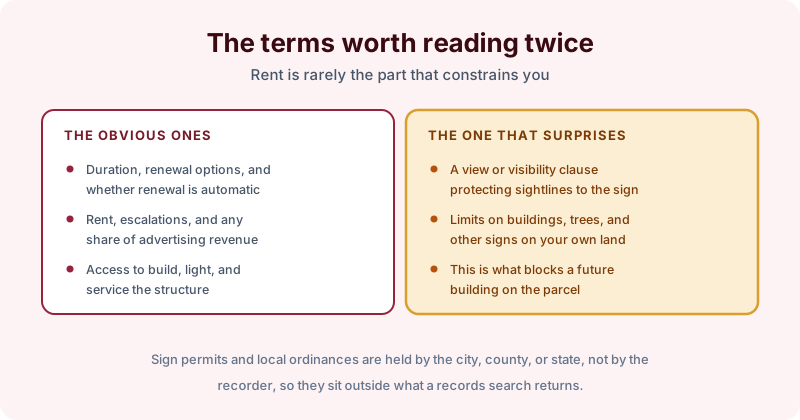
Duration, renewal, and rent are the obvious items, along with access rights to build, light, and service the structure. Read them, but do not stop there.
The clause that surprises people is view protection. Many outdoor advertising agreements bar the landowner from erecting buildings, planting trees, or permitting other signs that would obstruct sightlines to the face. On a commercial parcel, that can be the provision that blocks a future building, and it is worth knowing before an architect is engaged rather than after. Our note on building near an easement covers the same collision between a recorded right and a development plan.
Two related layers sit outside the record. Sign permits, local ordinances, and state highway regulations are held by the city, county, or state rather than the recorder, and some existing signs are legal nonconforming structures that cannot be rebuilt if removed. Those questions go to the permitting authority.
One more thing to check in the chain: whether the advertising rights were assigned. The outdoor advertising industry has consolidated heavily, so a right granted to a local family company in the 1980s may now be held by a national operator through a recorded assignment, and the assignment is the document that tells you who to contact and what was transferred.
Scoping the search
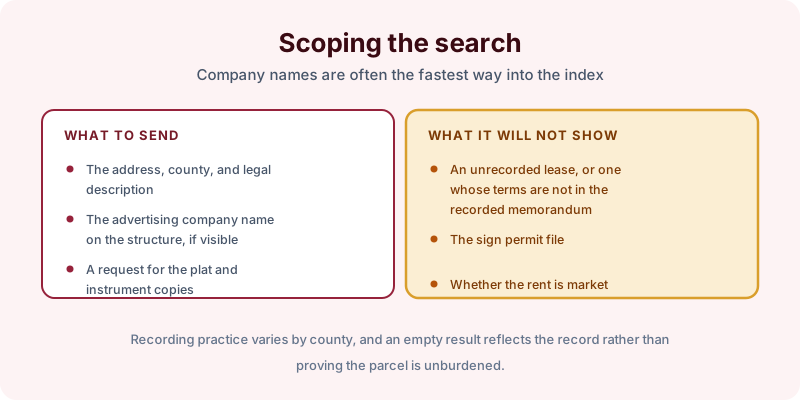
Send the address, the county, and the legal description, and send the advertising company name if it is visible on the structure, because a memorandum recorded in 1994 may be indexed under a company name and a description that has since changed. Ask for the plat along with copies of every instrument found. Our search terms run 20, 30, and 50 years so the depth can match the age of the arrangement, and our process page describes what the report includes.
What comes back is the easements, leases, memoranda, and agreements found of record for that parcel over the term searched, with copies attached. What does not come back is an unrecorded lease, the terms hidden behind a memorandum, the sign permit file, or any view on whether the rent is at market. Recording practice varies by county, and an empty result reflects the record rather than proving the parcel is unburdened.
It is also worth asking what happens at the end. Some agreements require the structure to be removed and the site restored, some allow the operator to leave footings in place, and some are silent, which becomes a question for whoever owns the parcel when the sign comes down.
The takeaway
Find out which of the three arrangements you are dealing with before closing, and read the instrument for the view protection clause rather than only the rent. An easement that runs forever and limits construction is a very different asset from a lease that expires in three years. Start the order online, or send us the address and the county and we will tell you which search term fits and what it would and would not cover before anything is ordered.