

· AFX Research
Do Easements Survive a Tax Sale or a Foreclosure of the Land?
An easement is a property right rather than a debt, so an involuntary sale usually does not erase it. What the record shows about survival, priority, and the exceptions.
Table of Contents
Buyers at tax sales and foreclosure auctions are often told that the sale delivers the property free and clear. That phrase is about liens, and an easement is not a lien. The distinction decides most of these questions, and it cuts in both directions: a purchaser of a burdened parcel usually inherits the easement, and a purchaser of a benefited parcel usually inherits the benefit. Both outcomes turn on documents and dates that a records search produces, and on state law that it does not.
A right, not a debt
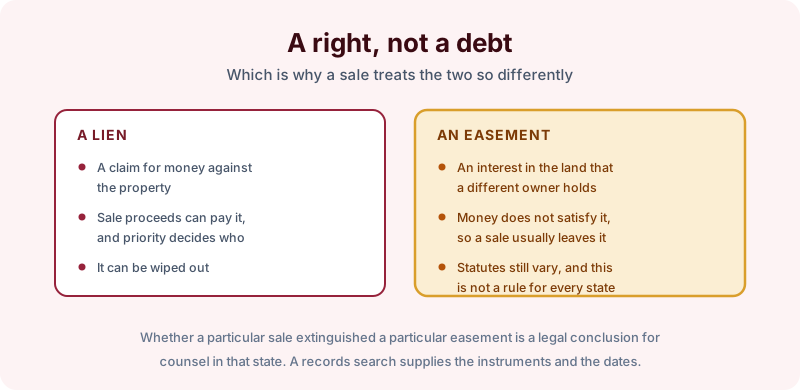
A lien is a claim for money. Sale proceeds can satisfy it, priority decides who gets paid, and what is not paid can be cut off. That is the mechanism behind the phrase buyers hear.
An easement is different in kind. It is an interest in the land that a different owner already holds, and money does not satisfy it, so a sale of the burdened parcel generally leaves it in place. The neighbor’s right of way does not disappear because the neighbor’s neighbor stopped paying property taxes.
That said, this is a general principle rather than a rule for every state, and whether a particular sale extinguished a particular easement is a legal conclusion for counsel in that jurisdiction. Termination by other routes is a separate topic, covered in our note on how an easement is terminated.
What can change the answer
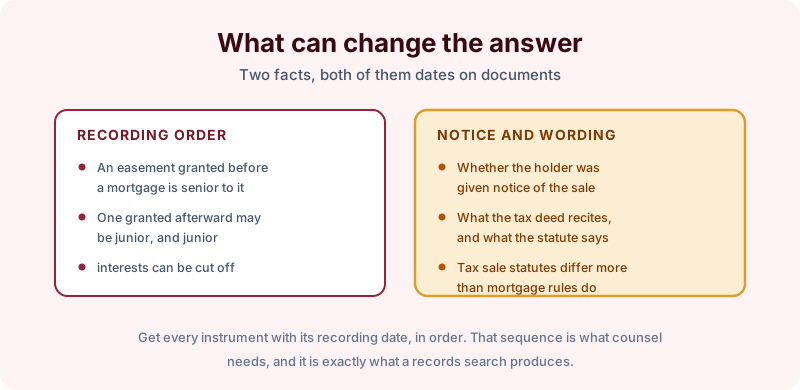
Two facts do most of the work, and both are dates on documents.
Recording order. An easement granted before a mortgage is senior to it and ordinarily survives a foreclosure of that mortgage. One granted afterward may be junior, and junior interests can be cut off. This is the same priority logic that governs everything else in the chain.
Notice and wording. Whether the easement holder received notice of the sale can matter, and on the tax side the statutes differ far more than mortgage rules do. Some tax sale regimes purport to convey free of encumbrances in broad language, and a tax deed reciting the whole tract without excepting easements leaves a cloud even where the easement in fact survived.
The useful deliverable in either case is the same: every instrument, in order, with its recording date. That sequence is what counsel needs, and it is exactly what a search produces.
The other side of the sale
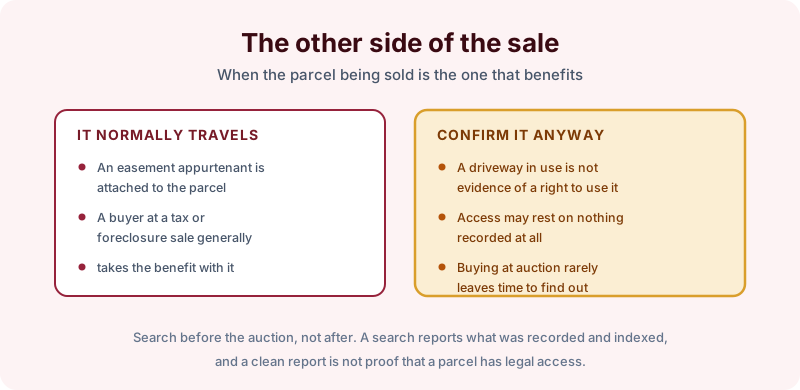
When the parcel at auction is the one that benefits, the easement is normally attached to it and travels with it, so the buyer takes the access along with the land.
The trap is assuming rather than confirming. A driveway in use is not evidence of a right to use it, and a parcel’s practical access can rest on nothing recorded at all. Auctions rarely leave time to discover that afterward, which is why the search belongs before the bid. Where a commitment later shows the easement as an exception, our note on easements and title insurance exceptions explains how it will be written.
What the search shows
The report is what was recorded and indexed over the term searched, with copies: the easement grants, their recording dates, the mortgage or tax lien in question, the notices where recorded, and any deed issued after the sale. Choose a search term that reaches back past the easement rather than only past the sale, because a short search returns the tax deed and misses the 1962 grant that is the actual question. Turnaround is 2 to 3 business days.
A search is not a survey, and it cannot locate anything on the ground. Rights arising from long use or necessity are frequently created with nothing filed, so a clean report reflects the record rather than proving a parcel is unburdened or that it has access. Recording and indexing practice varies by county.
The takeaway
Before bidding on either side of one of these sales, get the easement instruments and the lien being foreclosed, and read the recording dates in order. Start the order online, or send us the address and the county and we will tell you which search term fits and what it would and would not cover before anything is ordered.