

· AFX Research
Easements on Tribal and Allotted Land, and Where They Are Recorded
Trust and restricted land is not recorded at the county, consent works differently, and a right of way needs federal approval. What a county search reaches here.
Table of Contents
A buyer runs an easement search on a rural parcel, gets a clean report, and assumes the access question is settled. What the report does not say is that the road reaching the parcel crosses a quarter mile of trust land, and that nothing about that crossing was ever recorded at the county courthouse. The search was accurate. It looked in the only place it could look, and the answer to the question being asked lives somewhere else entirely. This is a sharper version of the point made in why a recorded easement gets missed.
Where the records sit
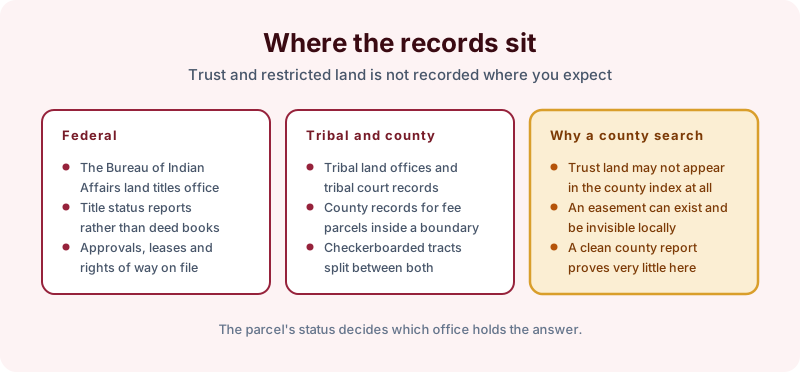
Land held in trust or restricted status is not recorded in the county deed books. Title is documented by the Bureau of Indian Affairs through its land titles and records offices, which issue title status reports rather than maintaining a grantor and grantee index of the kind a county keeps. Leases, rights of way and their approvals are filed there.
Tribal land offices and tribal courts hold another part of the picture, and tribal law may govern what happens on the ground. Meanwhile, fee parcels inside a reservation boundary are recorded at the county in the ordinary way.
That mixture is the hard part. Allotment produced checkerboarded ownership in many places, so a single access route can cross fee land, allotted trust land and tribal trust land in the space of a mile, with three different offices holding the paper. A county search covers one of the three.
Who has to consent
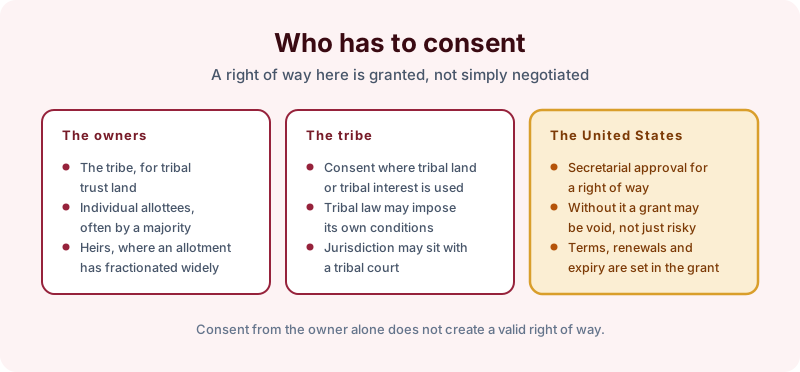
An easement across trust or restricted land is granted under a federal process rather than simply negotiated between neighbors. The landowners consent — the tribe for tribal trust land, or the individual allottees for an allotment, frequently by a required majority of the undivided interests. Where an allotment has fractionated across generations, that majority may be dozens of people.
The tribe may also need to consent where tribal land or a tribal interest is involved, and tribal law can impose its own conditions and its own forum for disputes.
And the United States must approve. Secretarial approval is the step that makes a right of way valid, and without it a grant may be void rather than merely defective. Grants also carry terms, renewal requirements and expiry dates, so an easement that plainly existed in 1974 may simply have ended.
What this means for an access question
If your question is whether a parcel has legal access, the honest answer on land like this is that a county easement search is a necessary part of the work and not the whole of it. A search reports what was recorded and indexed in the county, over the term searched. Where the burden or the benefit sits in a federal or tribal file, the county index is silent, and silence is not evidence.
It is worth adding the usual caution from the other direction too. Prescriptive easements and easements by necessity generally cannot be claimed against trust land in the way they can against private fee land, so the informal routes described in easements by implication and estoppel do not transfer here. Legal conclusions on any of this belong to counsel experienced in federal Indian law.
Scoping the search
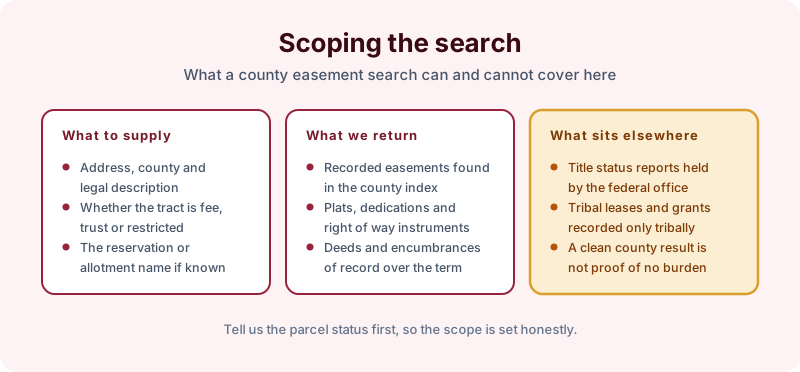
Tell us the address, county and legal description, whether the tract is fee, trust or restricted, and the reservation or allotment name if you have it. That last detail changes the scope conversation entirely, and it is better to have it before ordering than after.
What we return is the recorded picture from the county — easements found of record, plats, dedications and right of way instruments, and the deeds and encumbrances over the term searched. Our search packages set out the terms available. What sits in a federal or tribal office is outside that scope, and we will say so rather than implying coverage we do not have.
The takeaway
On tribal and allotted land the recording system itself is different, consent runs through more parties, and federal approval decides validity. A county easement search still has real value here, and it is one of three doors rather than the only one. Start the order online, or send us the address and the county and we will tell you which term fits and what it would and would not cover before anything is ordered.