

· AFX Research
Emergency and Fire Access Easements: What the Record Shows
Fire and emergency access usually comes from a plat, a condition of approval, or an agreement with a district, and it can bar gates and parking. What to check.
Table of Contents
Emergency access is the easement people discover after they have already ordered the gate. It is usually a narrow strip, it is frequently unremarkable on the ground, and it carries restrictions that are stricter than most utility easements because the whole point is that a loaded fire apparatus can get through at any hour without anyone unlocking anything. These rights are created in a handful of predictable ways, and most of them run back to the moment the property was subdivided or permitted, which is where our note on easements created by a subdivision plat picks up.
Where the right comes from
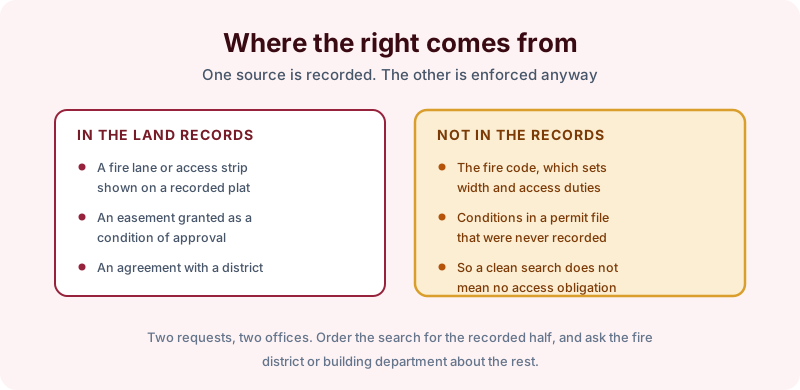
In the land records you will find three things: a fire lane or access strip shown on a recorded plat, an easement granted as a condition of a development approval, and occasionally a direct agreement with a fire district or municipality.
What is not in the land records is the fire code itself, which imposes access duties on the property regardless of whether any easement was ever recorded, plus any conditions sitting in a permit file that nobody filed at the county. That is the important caveat on this topic: a clean search does not mean there is no access obligation. It means nothing was recorded. Two requests, two offices.
What it usually forbids
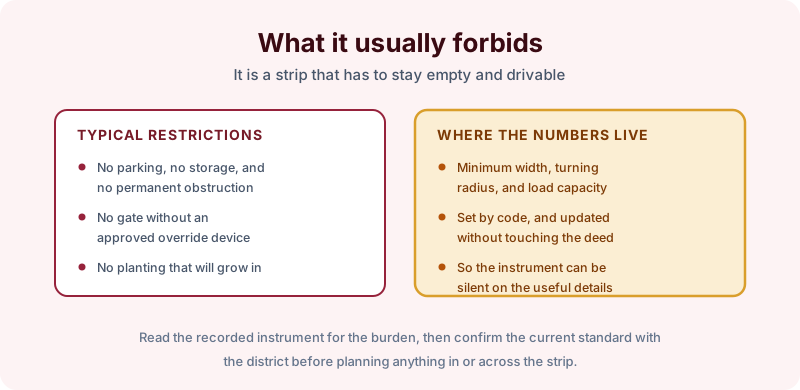
The recorded instrument typically bars parking, storage, and permanent obstruction, prohibits a gate without an approved override device, and rules out planting that will eventually grow into the strip. In substance it is land you own and have to keep empty and drivable.
The numbers that decide whether you comply, though, generally are not in the instrument. Minimum width, turning radius, and load capacity come from the code, and the code gets updated without anybody amending a deed. So the instrument tells you the burden exists and the district tells you what today’s standard is. Confirm both before planning anything in or across the strip.
Why a buyer should care
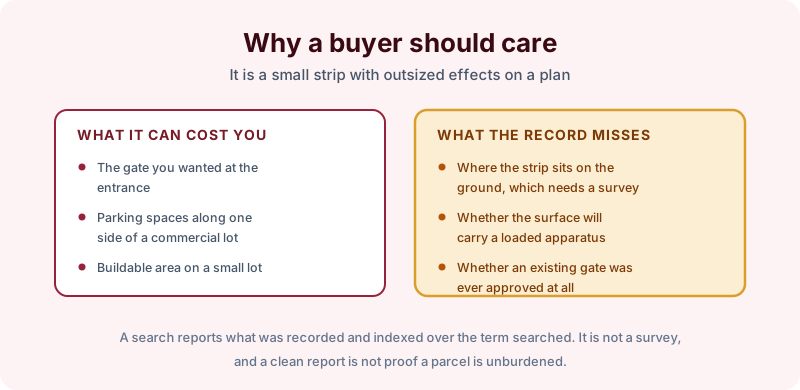
Three costs recur. The gate somebody wanted at the entrance, which is the most common disappointment in gated residential projects. Parking along one side of a commercial lot, which can matter to a tenant’s use. And on a small lot, buildable area, since a strip that has to stay clear is area that cannot hold a structure.
One more effect is worth knowing about on rural and large lot property, where a second means of access is sometimes required before a permit issues. That obligation can put a drive across a neighbor’s ground, which means an easement somebody has to negotiate rather than a line somebody can draw. Where the access route is shared with neighbors, the maintenance question arrives with it, and that is the subject of our note on private road maintenance agreements. A fire lane that nobody is obliged to maintain becomes unusable in exactly the conditions it exists for.
What the search shows
The report is what was recorded and indexed over the term searched, with copies: the plat, any easement or agreement granting emergency access, the description and width where stated, and any amendment or release. Choose a search term long enough to reach the original plat or the approval era, because these are usually created once and never touched again. Turnaround is 2 to 3 business days. Read the result against the types of easements that could apply to the parcel.
The limits matter here. A search is not a survey, so it cannot tell you where the strip sits on the ground, whether the surface will carry a loaded apparatus, or whether an existing gate was ever approved. A clean report reflects the record rather than proving the parcel is unburdened, and on this topic it specifically does not address the code.
The takeaway
If the plan involves a gate, a fence, parking, or building near a drive aisle, get the plat and any recorded access easement first, then ask the fire district what the current standard requires. Start the order online, or send us the address and the county and we will tell you which search term fits and what it would and would not cover before anything is ordered.