

· AFX Research
Irrigation Ditches and Canals: Easements and Access Rights
A ditch crossing your land usually carries a right to enter and maintain it. Where that right comes from, how wide it runs, and what the county record will show.
Table of Contents
Buy rural land in the West or in an old agricultural county anywhere and there is a reasonable chance a ditch crosses it. Sometimes it is a concrete lateral with a headgate, sometimes a grassy swale that only carries water in June. Either way it usually comes with a right for somebody else to be on your property with a backhoe, and that right is frequently older than every other document in the chain. This is the agricultural cousin of the drainage easement question, with a different body of law behind it.
Three ways a ditch gets its rights
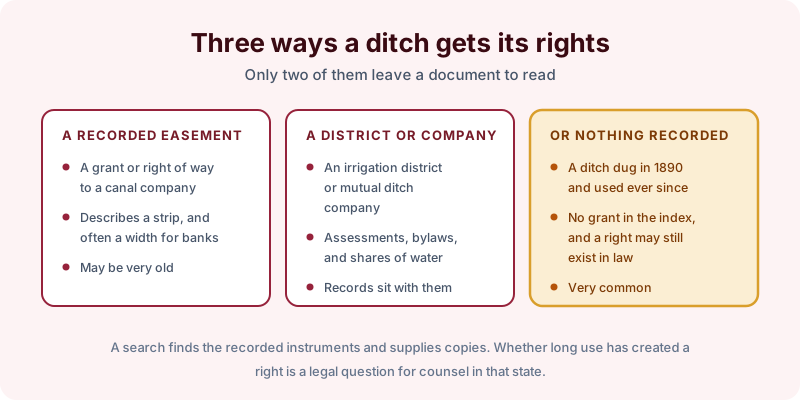
A recorded easement is the cleanest case. A grant or right of way to a canal company, a neighbor, or a district, describing a strip and sometimes a width for banks and access. Many of these were recorded between 1880 and 1930 in language that assumes knowledge nobody has anymore.
A district or ditch company is the second pattern. Irrigation districts, mutual ditch companies, and water users associations hold rights over the works they operate, along with assessments, bylaws, and share records that live with the entity rather than with the recorder. Identifying the entity is often the fastest route to the documents.
Or nothing is recorded at all. A ditch dug generations ago and used every season since may carry rights arising from long use or from the statutes of that state rather than from any instrument. That is the accuracy point worth holding onto: a clean report is never proof a parcel is unburdened, which is the same limitation described in our note on prescriptive easements.
The right to maintain it
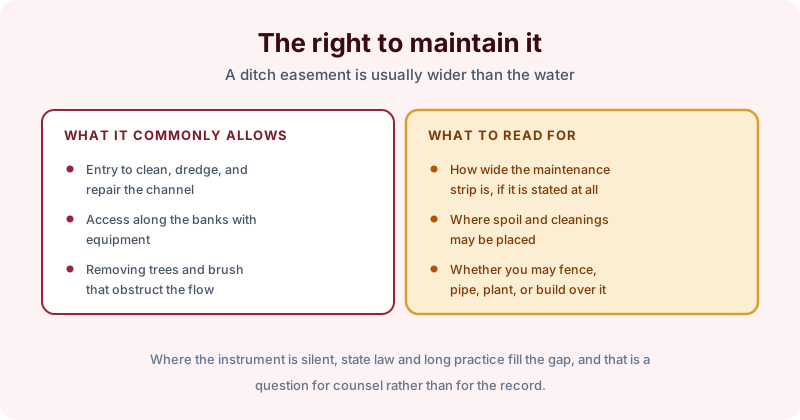
The part that surprises new owners is not the water, it is the machinery. A ditch right generally carries with it whatever access is reasonably necessary to keep the ditch working: entry to clean and dredge, travel along the banks with equipment, and removal of trees and brush that obstruct the flow.
So read the instrument for width and for limits. Is a maintenance strip stated, or is it silent? Where may spoil and cleanings be placed? Does anything address fencing, piping the channel, planting over it, or building across it? Where the document is silent, state law and long practice fill the gap, and how they fill it is a question for counsel rather than something the record answers.
Two related items turn up in these files. Headgates, diversion structures, and pump sites often have their own described locations, and a piped or abandoned ditch may still carry a live easement of record long after the water stopped running.
Scoping the search
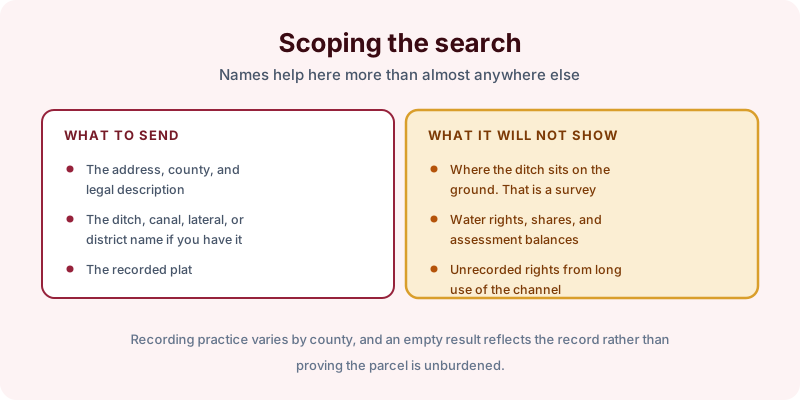
Names matter here more than almost anywhere else. Send the address, county, and legal description, and send the name of the ditch, canal, lateral, or district if you have it, because an instrument recorded in 1902 may be indexed under a canal company name and a description nobody uses now. Ask for the recorded plat along with copies of the instruments found. A longer search term is often worth it on agricultural ground for exactly this reason, and turnaround is 2 to 3 business days.
What comes back is the easements, rights of way, and agreements found of record for that parcel over the term searched, with copies attached. What does not come back is where the ditch sits on the ground, since a search is not a survey, or the water rights themselves. Water rights, shares, and assessment balances are a separate system administered by the state engineer or the district, not by the recorder. Recording practice varies by county, and an empty result reflects the record rather than proving the land is clear.
The takeaway
Before you buy, fence, build, or plant near a ditch, find out what is recorded and who operates the channel. The right to be on your land maintaining it is usually broader than people expect, and it does not go away because the current owner has never seen anyone use it. Start the order online, or send us the address and the county and we will tell you which search term fits and what it would and would not cover before anything is ordered.