

· AFX Research
Shared Wells: Easements, Agreements, and What Is Recorded
Two houses on one well need a location, a line, and a cost arrangement. What a shared well agreement should cover, and what the county record will show.
Table of Contents
A shared well is a small piece of infrastructure that generates a large share of rural neighbor disputes. The wellhead sits on one lot, a buried line crosses to the other, and the pump serves both houses. When it works, nobody thinks about it. When the pump fails in February, the question of who pays becomes urgent, and the answer depends on documents that may or may not exist. This is the water version of the private road problem, with the same split between access and upkeep.
What stands behind the water
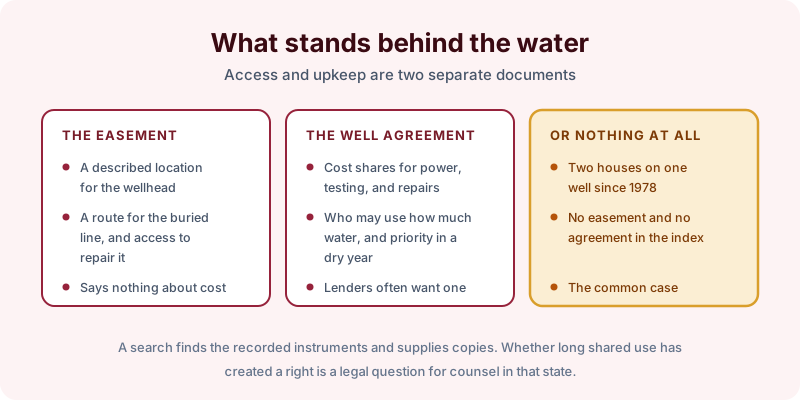
The easement is the access half. It should describe the wellhead location, a route for the buried line, and the right to enter and repair both. That document gets water to the house and typically says nothing about money.
The shared well agreement is the money half, and it is the one people assume exists. Where a recorded agreement is in place it allocates the cost of power, testing, and repairs, addresses how much water each household may use, and sometimes sets priority in a dry year. Lenders frequently want to see one before financing a house on a shared well, which is often the moment a buyer discovers there is not one.
Or there is nothing. Two houses that have shared a well since 1978 with no easement and no agreement anywhere in the index is an ordinary situation rather than an exotic one, and whether long shared use has ripened into a right is a legal question for counsel in that state.
What the agreement should answer
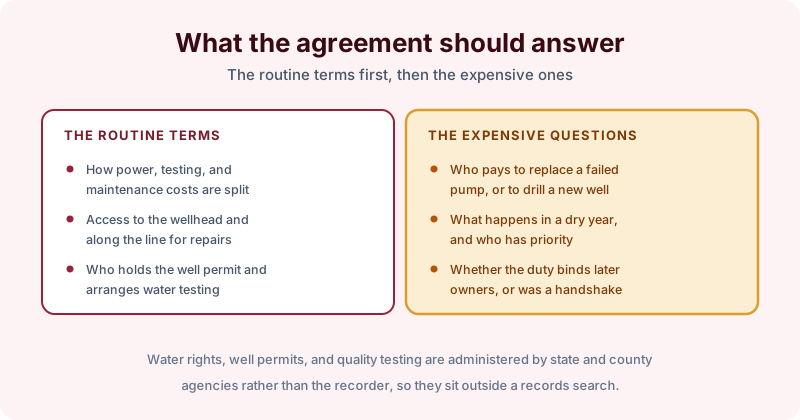
Read the routine terms first: how power, testing, and maintenance costs are split, who may enter to repair the line, and who holds the well permit and arranges water testing.
Then read for the expensive questions, because those are the ones that end up in court. Who pays to replace a failed pump, and who pays to drill an entirely new well if this one goes dry or gets contaminated? What happens in a low water year, and does either household have priority? And does the obligation bind later owners, or was it a handshake between the original neighbors that evaporates at the next closing?
Water rights, well permits, and quality testing are administered by state and county agencies rather than by the recorder, so those questions go to the health department or the state engineer rather than to a title search. Our note on building near an easement covers the same division between recorded rights and permitting authority.
Scoping the search
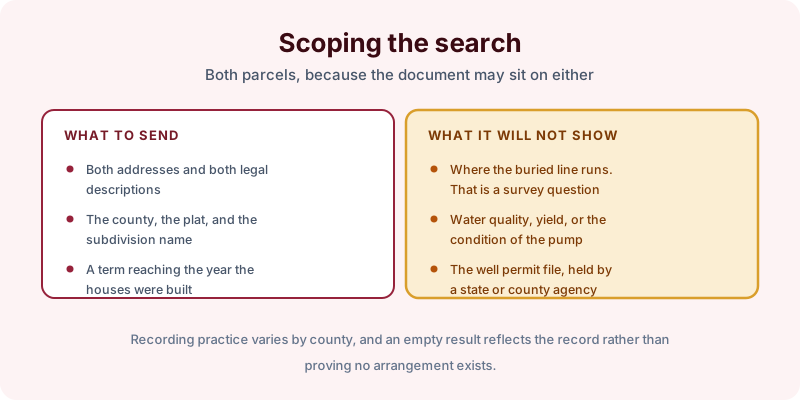
Send both addresses and both legal descriptions, because the easement may be recorded against the neighbor’s parcel rather than yours, along with the county, the plat, and the subdivision name. Ask for a term that reaches the year the houses were built, since these documents were usually created at the original subdivision of the tract, and ask for copies of the instruments rather than an index summary.
What comes back is the easements, agreements, and declarations found of record for those parcels over the term searched. What does not come back is where the buried line actually runs, which is survey work, the water quality or yield, or the condition of the pump. Recording practice varies by county, and an empty result reflects the record rather than proving no arrangement exists. Our guarantee page covers how we stand behind the search itself.
The takeaway
Before you buy a house on a shared well, confirm both halves: a recorded right to the water and the line, and a recorded arrangement for paying to keep it working. If only one exists, that is worth knowing while you still have leverage rather than after the pump quits. Start the order online, or send us the address and the county and we will tell you which search term fits and what it would and would not cover before anything is ordered.