

· AFX Research
Timber and Logging Road Easements: Access on Rural Land
Haul road easements and reciprocal road agreements burden a lot of rural ground, and a timber deed can separate the trees from the land. What the record shows.
Table of Contents
Buy acreage in forest country and you are buying into a road network somebody else built for a reason that had nothing to do with you. Timber operations need to move heavy equipment and loaded trucks across other people’s property, and the instruments they use to do that are long lived, frequently broad, and easy to skim past in a title report. One of them does something a buyer rarely expects: it separates the trees from the land. These sit in the same family as the types of easements any rural buyer should check, and they are among the least understood.
What carries the logging traffic
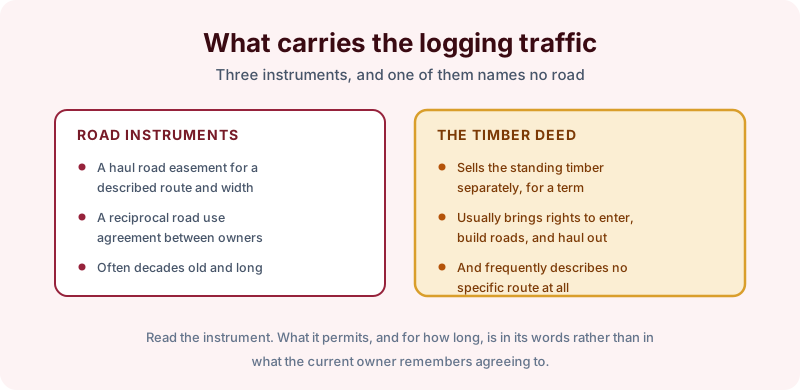
Haul road easements describe a route and a width and grant the right to use and often to improve it. These are the straightforward ones.
Reciprocal road use agreements are the heavier instruments. Two or more owners, historically large timber companies, grant each other rights across their holdings so that everybody can reach everybody’s ground. They are frequently decades old, they can cover large areas, and they can survive many changes of ownership on both sides.
Timber deeds are the third category and they are covered below, because they behave differently from either.
Read whichever instrument turns up rather than relying on what the seller remembers agreeing to. What is permitted, and for how long, is in the words.
The trees may not be yours
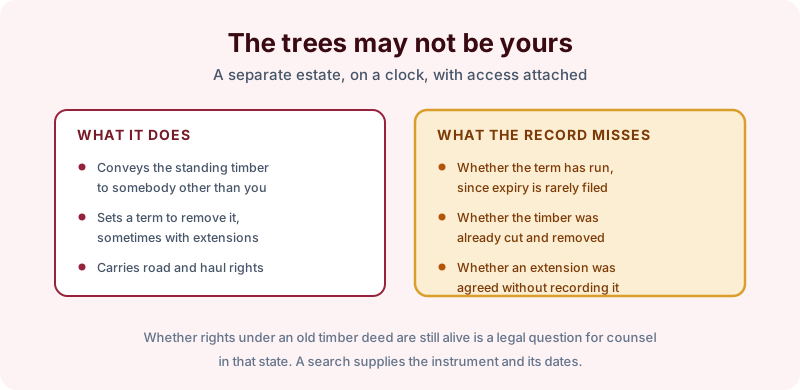
A timber deed conveys the standing timber to somebody other than the landowner, sets a term for removing it, and normally carries rights to enter, build or use roads, and haul out. Functionally it creates a separate estate on a clock, with access attached, which makes it the closest thing on rural land to a severed mineral interest.
The record has real limits here. Expiry of the term is rarely filed, so a search cannot tell you whether the rights are still alive. It cannot tell you whether the timber was already cut, or whether the parties extended the term by an unrecorded agreement. Whether rights under an old timber deed survive is a legal question for counsel in that state, and what a search supplies is the instrument and its dates.
How heavy is the burden
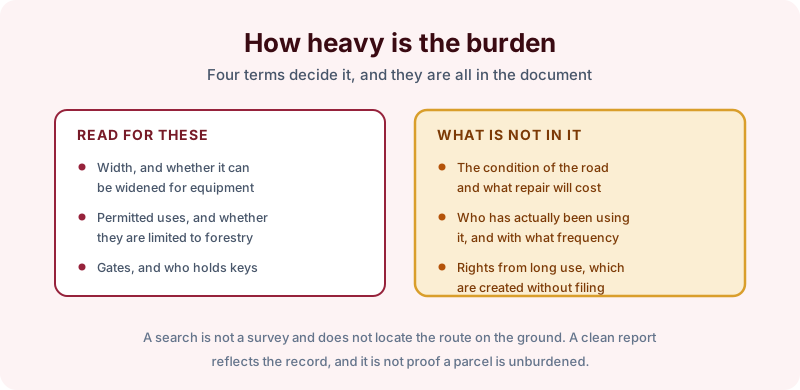
Four terms decide how much a road easement actually costs an owner: the width and whether it may be widened for equipment, whether permitted uses are limited to forestry or open to anything, whether gates are allowed and who holds keys, and how maintenance is shared. That last one is where most disputes start, and the general shape of it is in our note on private road maintenance agreements.
What the document does not contain is the condition of the road, the cost of repairing it, or who has actually been driving it. Long use can also create rights with nothing recorded at all, and where recreational use has been tolerated for years the analysis overlaps our note on hunting and recreational access easements.
What the search shows
The report is what was recorded and indexed over the term searched, with copies: haul road easements, reciprocal agreements, timber deeds, and any release, amendment, or extension that was filed. Choose a search term long enough to reach the original agreements, since the reciprocal ones in particular can be sixty or seventy years old and a short search returns only the recent deeds. Turnaround is 2 to 3 business days.
A search is not a survey, so it cannot locate the route or tell you whether the road as built matches the description. A clean report reflects the record rather than proving the parcel is unburdened. Recording and indexing practice varies by county.
The takeaway
On any wooded acreage, search far enough back to catch the reciprocal agreements and ask specifically whether a timber deed is outstanding, because that one determines whether you own the trees. Start the order online, or send us the address and the county and we will tell you which search term fits and what it would and would not cover before anything is ordered.