

· AFX Research
Easements in a Ground Lease or Leasehold Estate, What to Check
Two parties own the same ground in different ways, and only one of them can grant a permanent easement. The other can grant one that quietly expires with the lease.
Table of Contents
A ground lease splits a parcel into two estates. The landowner keeps the fee and the tenant holds a possessory interest for a long term, often fifty or ninety nine years, and builds on it. Both parties can reasonably describe themselves as owners of the property and both are right about different things.
That split matters the moment anybody wants an easement across the land, because the two estates do not carry the same power to grant one, and the record does not announce which one a given document came from.
Who can grant what
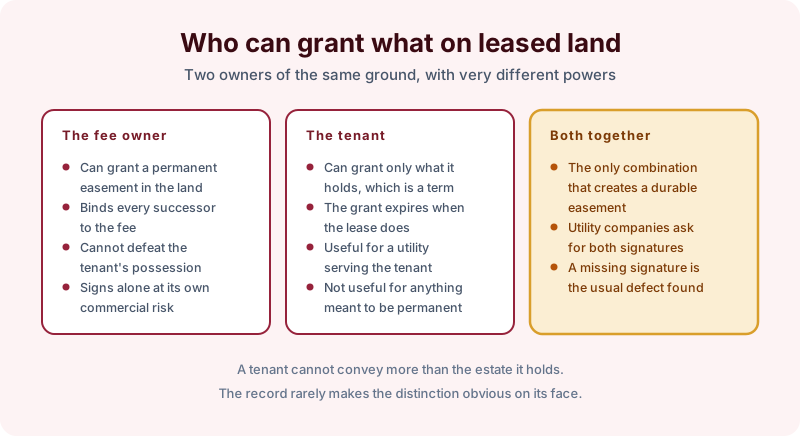
The fee owner can grant a permanent easement, because the fee is a permanent estate. What the owner cannot do is grant something that interferes with the tenant’s possession during the lease, so an easement across the middle of a tenant’s parking field is a problem even where the owner had the power to sign it.
The tenant can grant only what the tenant holds, which is a term of years. An easement granted by a tenant is good for the balance of the lease and no longer. When the lease ends, the easement ends with it, automatically and without any filing.
This is why utility companies routinely ask for both signatures on anything they intend to keep. A grant signed by both the fee owner and the tenant binds the land permanently and does not disturb possession. A grant signed by one of them is a partial instrument, and the defect usually surfaces decades later.
Where the grant gets indexed
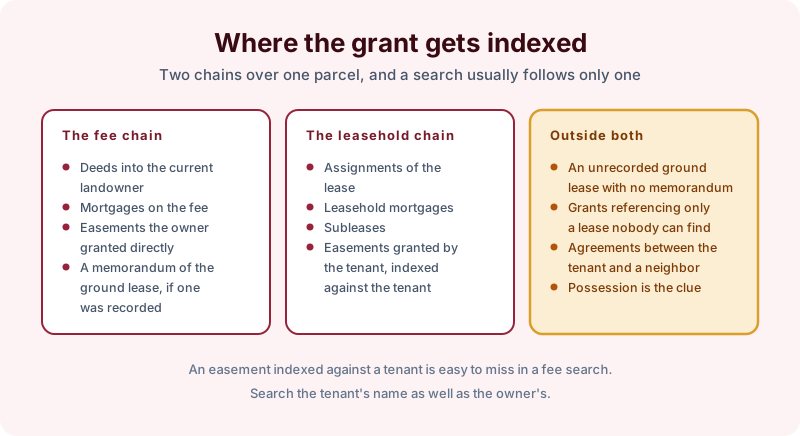
A parcel under a ground lease effectively has two chains running over it. The fee chain holds the deeds, the mortgages on the fee, and whatever the owner granted directly. The leasehold chain holds assignments of the lease, leasehold mortgages, subleases, and anything the tenant granted.
A grantor and grantee search run against the fee owner finds the first chain and not necessarily the second. An easement the tenant granted to a neighbor in 1991 is indexed under the tenant’s name, and unless the searcher knows that name it does not surface.
The problem compounds where the ground lease itself was never recorded. Many are documented publicly only by a short memorandum, and some by nothing at all, in which case the only outward sign that a leasehold exists is that somebody other than the owner is plainly in possession. That is the same signal discussed in why a recorded easement gets missed, arriving from a different direction.
What happens at the end of the term
A ground lease ending is a quiet event in the record. Nothing gets filed, the tenant’s improvements usually revert to the fee owner under the lease terms, and every easement the tenant granted terminates by operation of law.
Those easements remain in the index. A search run five years later returns them, they look live, and whether they are still effective turns on a lease nobody has read. A searcher reports what is recorded, but a reader who knows a ground lease ran out in 2019 reads a 2005 grant from the tenant very differently. The mechanism is close to the one in how an easement is terminated, with no document marking the moment.
Scoping the search
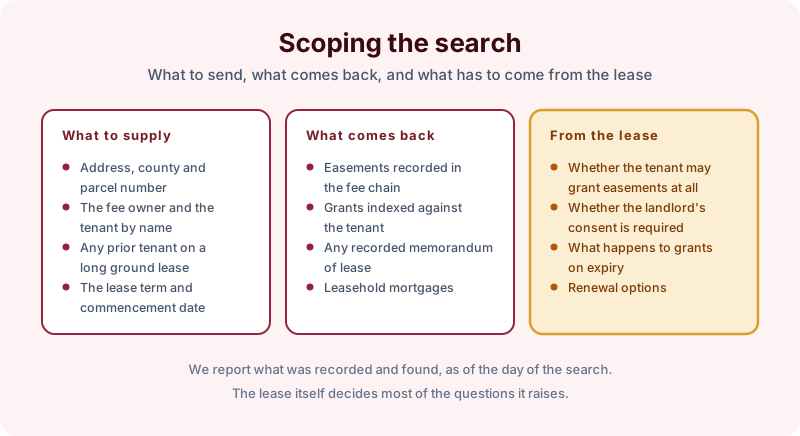
Give us the parcel, the fee owner and the tenant by name, and any prior tenant where the lease has been assigned over a long term. Those names are what let the leasehold chain be searched alongside the fee chain rather than instead of it.
The lease answers the rest. Whether the tenant may grant easements at all, whether the landlord must consent, and what the parties agreed happens to those grants at expiry are all lease terms, not record facts. The same division applies to easements and title insurance exceptions.
The takeaway
On leased ground, ask who signed before asking what was granted. A fee owner’s grant outlives the lease and a tenant’s does not, both sit in the record looking equally permanent, and the tenant’s grant is indexed somewhere an ordinary search may never reach.
Send us the owner and tenant names with the parcel and we will search both chains. Get in touch or order a search.