

· AFX Research
Flag Lots and Panhandle Parcels, and How Access Is Held
Whether the driveway strip is part of your lot or an easement over someone else, why the deed that made the split decides it, and what the record cannot settle.
Table of Contents
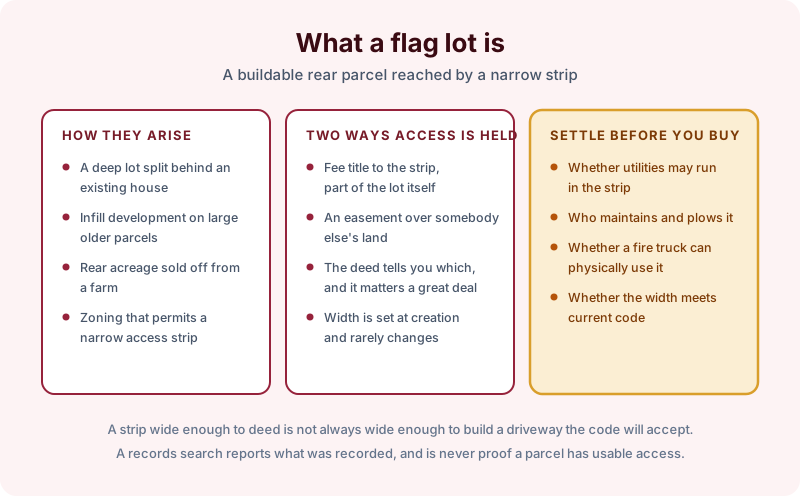
A flag lot is a buildable parcel sitting behind another one, reached by a narrow strip of land running out to the road. The lot is the flag, the strip is the pole, and the whole arrangement works only if the access is properly held. That is the question worth answering before anything else, because the two ways it can be held behave very differently.
Fee strip or easement
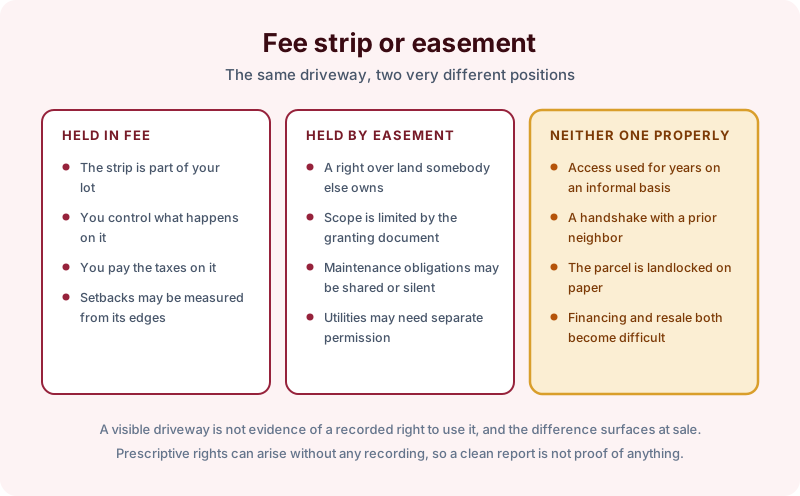
In the first arrangement the strip is part of your lot. You own it in fee, it appears in your legal description, you pay taxes on it, and you control what happens on it. Setbacks may be measured from its edges, which occasionally constrains what can be built.
In the second the strip belongs to the front parcel and you hold an easement over it. You have a right to cross, defined by whatever the granting document says, and nothing more. Scope matters enormously here. An easement for ingress and egress may not cover running a water line, parking a trailer, or widening the surface.
The deed tells you which you have, and the distinction is set out more fully in easement appurtenant versus easement in gross.
The third possibility
Sometimes neither was properly created. The rear parcel was sold off decades ago, access has been used ever since on an informal basis, and nothing was ever recorded. The driveway is visibly there and the legal right to use it is not.
That parcel is landlocked on paper, whatever the gravel suggests, and the consequences arrive at financing and at resale rather than in daily use. A prescriptive claim or an easement by necessity may exist, and both are arguments to be made rather than facts on a report, which is why landlocked property and easements by necessity is worth reading alongside this.
Searching one properly
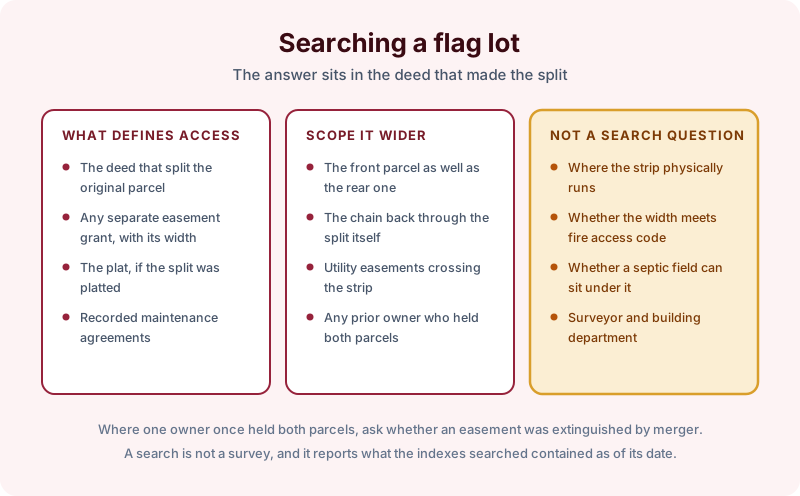
The document that decides everything is the deed that split the original parcel, so the search has to reach back through that split rather than stopping at the current owner. Pull any separate easement grant and read its stated width. Pull the plat if the split was platted, and any recorded maintenance agreement.
Scope it to include the front parcel as well as the rear one. The burden on the front lot was created in its chain, and a search confined to the flag lot can miss the instrument that matters most.
Utility easements crossing the strip are worth pulling too. A sewer or water line running the length of the pole constrains where a driveway can be built and who has to be consulted before anything is dug, and it is recorded against the parcel it crosses rather than the one it serves.
One thing worth asking specifically. Where a single owner once held both parcels, an easement between them may have been extinguished by merger, and splitting the land again does not automatically revive it, as covered in merger of title and what happens to an easement.
What the record will not settle
Where the strip physically runs, whether its width meets current fire access requirements, whether utilities are permitted in it, and whether a septic field can sit beneath it. Those belong to a surveyor and to the building department. A strip wide enough to describe in a deed is not always wide enough to build a driveway the code will accept, and a width that satisfied the county in 1978 may not satisfy it now.
A search reports what was recorded and indexed in the offices searched as of its date, recording practice varies by county, and reports run 2–3 business days.
The takeaway
Establish first whether you own the pole or merely cross it, then read the width and the permitted uses, then check whether one owner ever held both parcels. A visible driveway is not evidence of a recorded right to use it. Start the order online, or send us the address and the county and we will tell you which search term fits and what it would and would not cover before anything is ordered.