

· AFX Research
Buying Vacant Land: Why the Easement Search Comes First
Why open ground carries more recorded burdens than an improved lot, the two separate questions access and buildability ask, and how to choose a search term.
Table of Contents
Vacant land looks like the simple purchase. No roof, no plumbing, no inspection report full of deferred maintenance. The complications are all in the paperwork, and on an unimproved parcel the paperwork has usually gone unread for a very long time. That is the whole reason an easement search belongs early in a land deal rather than late: the burdens on open ground tend to be old, wide, and unknown to the seller.
Why open ground collects burdens
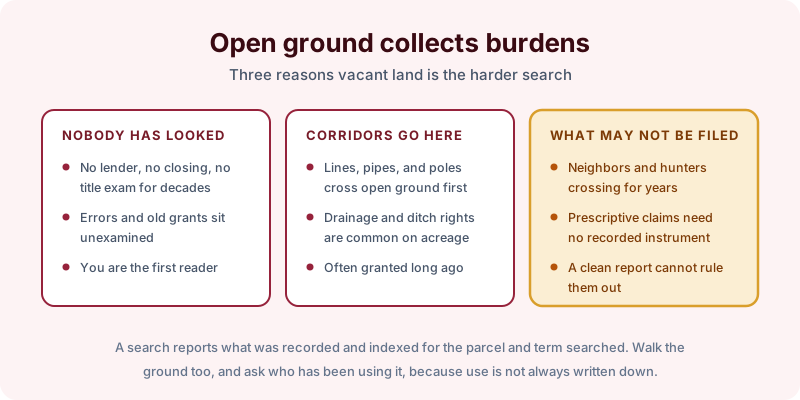
Three things stack up. First, nobody has looked. An improved property gets examined every time it is sold or financed; a field held in one family since the war may not have had a title exam in fifty years, so old grants and old errors sit undisturbed.
Second, corridors go where the ground is open. When a utility, a pipeline company, or a drainage district needed to cross a township, they crossed the farms, and those grants are still there. Pipeline grants from the 1950s are frequently broader than anything a company could negotiate today.
Third, and this is the part a records search cannot fix: land nobody watches gets used. Neighbors, loggers, and hunters cross unbuilt parcels for years without anyone objecting, and prescriptive claims arise from conduct rather than from a recorded instrument. A clean report cannot rule them out, which is why walking the ground and asking who uses it belongs alongside the search rather than after it.
Access and buildability are different questions
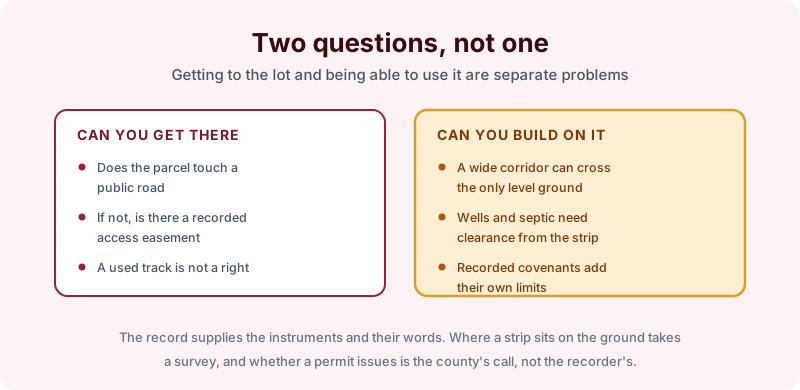
The first question is whether you can legally get there. If the parcel does not touch a public road, you need a recorded right of access across someone else’s land, and a two-track that has been driven for twenty years is not the same thing as a right. A landlocked parcel may have a claim by necessity, but a claim is a lawsuit and a recorded easement is a document. Lenders and county permit desks tend to want the document, which is often what turns an access question from a nuisance into a deal term.
The second question is whether what is recorded leaves you room to build. A wide corridor across the only level ground, a drainage right along the buildable bench, or a setback from a strip can take a nominally ten-acre parcel down to one workable building site. What the instrument says is a records question; where the strip actually sits is a survey question, and building near an easement needs both.
Picking the term
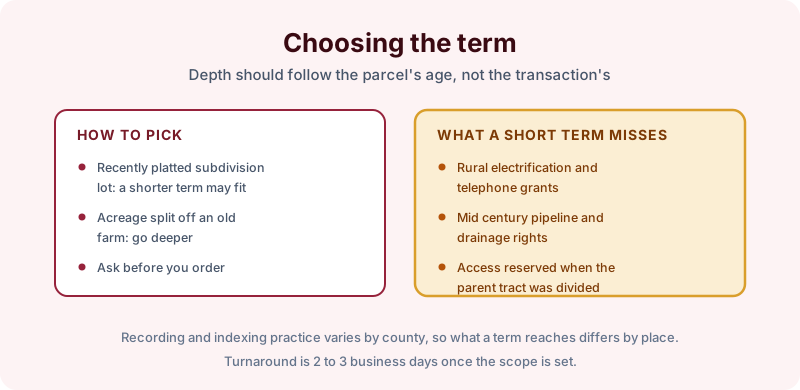
Match the depth to the age of the parcel, not to your closing date. A lot in a subdivision platted eight years ago has a short history, and the recorded plat carries most of what burdens it. Acreage split off an old farm is the opposite case: the grants that matter predate the split, so a short search returns a clean report about the wrong period.
That is what the three terms in our easement search packages are for, and choosing between them is a two-minute conversation rather than a guess. The other input is the parcel description. Ground that came out of a larger tract may carry burdens recorded against the parent description, so tell us if you know the split happened. Turnaround is 2 to 3 business days once the scope is set.
Read the result for what it is. A search reports the instruments recorded and indexed for that parcel over that term, as of the search date, with copies attached. Recording practice varies from county to county, an empty result is not proof a parcel is unburdened, and a search is not a survey and does not locate anything on the ground. Whether a particular grant permits a particular use is a legal question for counsel in that state.
The takeaway
On vacant land the record is the property, because there is nothing else to inspect. Get the instruments and read them before the inspection period closes, ask separately about access and about where you can actually build, and set the term by the parcel’s history. Start the order online, or send us the address and the county and we will tell you which search term fits and what it would and would not cover before anything is ordered.